Av. rating

The essentials of milk sampling: A step-by-step guide

Milk sampling is a fundamental practice in dairy farming for managing mastitis effectively. By properly collecting and analysing milk samples, we can identify the pathogens, implement targeted treatments, and evaluate the success of preventive measures. This article provides a step-by-step guide to ensure accurate and reliable sampling, helping to maintain udder health and improve milk quality on the farm.


Why is sampling important?

Milk sampling plays a crucial role in managing mastitis on dairy farms. By identifying the pathogen, we can target the appropriate preventive and treatment strategies, helping to improve udder health and productivity.

Regular sampling allows us to monitor the success of control measures over time, ensuring that they are working as intended


What do we need?

milking sample guide
Fig1. Material needed for sampling.

Before starting, make sure you have the needed material:

  • Freezer packs and insulated box
  • 70% alcohol and paper, or alcohol tower
  • Gloves
  • Sterile tubes
  • Sample racks


How to proceed?

The first step is to select the best location for sampling. The most recommended places for sampling are the milking parlour, the robot or the treatment box, as they are a controlled and clean environment.

1. Identify each tube with the following details at least: Date, farm, cow, quarter

2. Begin by discarding a few strips of milk. This ensures that any contaminants in the initial flow do not affect the sample.

3. Dip each quarter of the udder in a disinfectant solution.

Fig2. Apply a disinfectant solution to each quarter.

4. Use an individual towel to dry the teats thoroughly, minimizing cross-contamination. Scrub teats with the alcohol towel:

  • Use each towel only once.
  • Avoid contact with dirty parts of the cow, such as the tail, feet, or legs.
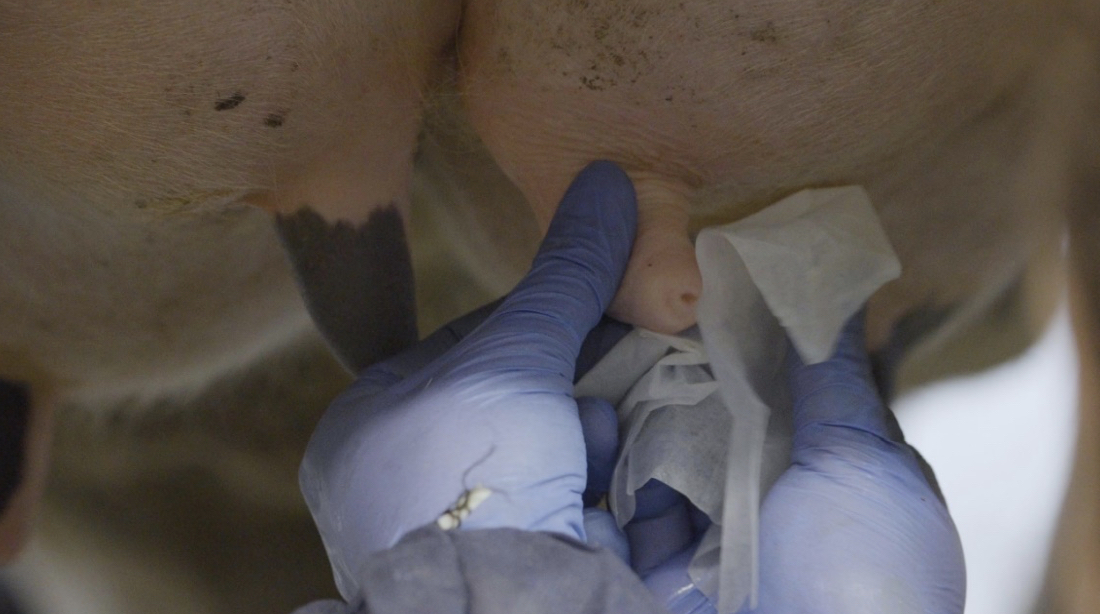
Fig3: Wipe each teat with an individual alcohol-soaked towel.

5. Sample collection

a) Individual samples

  • Hold the tube at a 45º angle while collecting the sample.
  • Keep the teat and tube lip from making contact.
  • Avoid overfilling the tube and close it immediately after collecting.
  • Close the tube immediately.

b) Composite samples

  •  Start with the closest teats and work towards the farthest ones.
  • Collect approximately 2 ml from each quarter into a single tube.
Fig4. Correct milk sampling.

6. If cows are not going to be milked, dip the teats after sampling

7. Place samples in an insulated container with freezer packs to maintain the proper temperature until they are tested.


Conclusions

By following these steps, we can ensure that the samples are accurate and reliable for analysis, providing an accurate representation of the cow’s health.

This approach supports more effective mastitis prevention and control and contributes to a healthier herd overall.
How useful was this information for you?:

RELATED POSTS

NEWSLETTER

DON’T MISS ANY UPDATES ON MASTITIS VACCINATION

    I have read and agree to the Privacy Policy and Basic information on Data Protection.

    ASK THE EXPERTS

    Your opinion is very important to us, so we encourage you to contact our team of experts on Mastitis Vaccination to ask any questions or discuss any concerns you may have about mastitis.

      I have read and agree to the Privacy Policy and Basic information on Data Protection.

      DISCOVER THE QUICK TALKS !

      Subscribe to our newsletter and be updated with the latest STREAMING COURSES & VIDEO-WEBINARS on bovine mastitis!


        I have read and agree to the Privacy Policy and Basic information on Data Protection.

        Basic Personal Data Protection information: Controller: LABORATORIOS HIPRA, S.A. Purposes: Managing the contractual and/or business relationship with HIPRA, including sending news, promotions and invitations to events sponsored by HIPRA. Lawful basis: Performance of the contractual relationship and HIPRA’s legitimate Interest. Recipients: Third parties to which HIPRA has entrusted cloud computing, security, auditing, mailing, technical and computer support services, as well as companies in its group. Rights: Request access to and rectification or erasure of personal data and other rights as explained in the additional information. You can seeview the detailed additional information about data protection in our Privacy Policy. For further information, please check our detailed information on Data Protection.

        Website for veterinarians

        The contents of this website are aimed exclusively at prescribing veterinarians. By clicking on Accept you state that you are a veterinary professional. In other case, please contact a veterinarian and click on Decline.

        Basic Personal Data Protection information:

        Controller: LABORATORIOS HIPRA, S.A.
        Purposes: Managing the contractual and/or business relationship with HIPRA, including sending news, promotions and invitations to events sponsored by HIPRA.
        Lawful basis: Performance of the contractual relationship and HIPRA’s legitimate Interest.
        Recipients: Third parties to which HIPRA has entrusted cloud computing, security, auditing, mailing, technical and computer support services, as well as companies in its group.
        Rights: Request access to and rectification or erasure of personal data and other rights as explained in the additional information. You can seeview the detailed additional information about data protection in our Privacy Policy.

        For further information, please check our detailed information on Data Protection.